
Black Women in New Hampshire:
A Living History
We honor the Black women whose names we know and the many more whose work shaped our communities but was never written down.
Black women have always been part of the story of the land now called New Hampshire. Some of our names appear in archives, newspapers, and history books. Many more do not. What gets recorded in history is often shaped by white supremacy and respectability politics, where recognition tends to follow titles, wealth, or social status. Meanwhile the everyday labor that holds our people together often goes unseen.
Across generations, Black women have been the big mamas, aunties, grannies, and caregivers who sustained families and communities while carrying many responsibilities at once. They fed folks, raised children, passed down culture, organized neighbors, held space for healing, and made a way when resources were scarce. That kind of leadership doesn’t always come with a headline, but it is the backbone of our communities.
The women highlighted on this page represent only a small part of that legacy. This list is not meant to exclude anyone. If there is a Black woman connected to New Hampshire whose story you believe should be included here, we invite you to share it with us. We especially welcome stories about the big mamas, aunties, grannies, and caregivers whose work helped sustain our people. You can email us at contactbwinh@gmail.com so we can continue building this living record of our history together.
This project is focused on documenting earlier generations whose stories risk being forgotten. There are so many incredible women doing work right now, including many of our peers, and that story is still unfolding.
Women Whose Names Were Never Recorded
Many Black women who shaped New Hampshire’s communities were never documented in official records. Some organized families, churches, schools, and neighborhoods in ways that history books rarely capture. This section also honors the many women still living whose labor, care, and leadership sustain our communities but often go unnoticed or unpublicized. Their contributions are part of the same legacy of resilience, creativity, and community building that continues today.
Colonial & Early Black Life in New Hampshire
Ona Judge Staines (1773–1848)


Ona Judge was enslaved by George Washington and escaped from the presidential household in Philadelphia in 1796. She fled to Portsmouth, New Hampshire where she built a life as a free woman.
Despite multiple attempts by Washington to recapture her, she refused to return to slavery. Judge later married Jack Staines and raised three children before her death in Greenland, New Hampshire in 1848.
Her story is one of the most well-documented acts of self-liberation by an enslaved woman in early United States history.
Dinah Whipple (1760 - 1846)


Dinah Whipple was an enslaved Black woman living in Portsmouth in the 1700s. In 1769 she was brutally attacked for walking with a white servant. The assault was widely reported and became an example used by abolitionists to expose the violence of slavery in New England. She later became part of Portsmouth’s early free Black community. Together with her husband Prince Whipple, she helped support the creation of an African School for Black children in Portsmouth.
Black Women in 19th Century New Hampshire
Harriet E. Wilson (1825–1900)


Born in Milford, New Hampshire, Harriet E. Wilson wrote Our Nig, one of the earliest novels published by a Black woman in the United States.
The book exposed the realities of racism and labor exploitation in the North, challenging the myth that racism existed only in the South.
Wilson later worked as a spiritualist healer and lecturer, speaking publicly about labor reform, education, and her life experiences.
Flora Stewart (-1868)


Flora Stewart was formerly enslaved and later lived in Londonderry, New Hampshire after gaining her freedom.
She became widely known throughout the state and reportedly lived to be over 100 years old, making her one of the oldest residents in New Hampshire during the 19th century.
Her life reflects the transition from slavery to freedom for many Black people in New England.
Samantha Plantin (1825–1899)


Samantha Plantin became the first known Black woman landowner in Manchester, New Hampshire.
When she passed away in 1899, she left her remaining money and property to support Black education. Her estate included donations to historically Black institutions such as the Tuskegee Institute and Haynes Normal Institute in Alabama.
Her philanthropy demonstrated a commitment to education and the advancement of Black communities beyond New Hampshire.
Black Women in 20th Century New Hampshire
Edith Mary Green (1879–1951)

Edith Mary Green moved to the Canterbury Shaker Village in 1895. She attended the Shaker school and later worked in the creamery where milk was processed.
Green remained part of the Shaker community for the rest of her life and was remembered for her patience and kindness toward visitors and fellow residents,
Inez Glenn Bishop (1927–2014)

Inez Glenn Bishop moved to Manchester in 1947. While working in an electrical manufacturing plant, she became a leader among workers advocating for fair treatment.
Bishop challenged wage discrimination and advocated for equal pay for women workers. Her advocacy helped lead to meaningful workplace changes, and she later served as a union president.
Reverend Peggy O. Smith (1942 - 2007)

Rev. Peggy O. Smith was a faith leader and community advocate in Nashua who devoted her life to serving others through ministry and outreach. She founded the Tolles Street Mission, a community ministry that provided food, clothing, and support to individuals and families in need while creating a welcoming space for fellowship and care. Through her work in faith and service, she became known for her compassion, generosity, and commitment to uplifting the Nashua community.
Hon. Claire D. Clarke (-2022)

Hon. Claire D. Clarke was a New Hampshire educator, public servant, and community advocate who served five terms as a State Representative representing Boscawen. Before entering state government, she spent more than three decades working as a counselor in the Winnisquam Regional School District and was a strong advocate for children and education. Clarke also served for many years on the Merrimack Valley School District School Board and remained active in numerous civic and community organizations while championing opportunities for women and children of color in rural communities.
Yvonne Elizabeth Brodie (1937–2021)

Yvonne Elizabeth Brodie was a Nashua community leader whose work centered faith, service, and care for others. After moving to New Hampshire in 1989, she became active at New Fellowship Baptist Church in Nashua, serving as a choir member, deaconess, and president of the Missionary Board. Guided by her commitment to helping others, she founded the Community Outreach Resource and Educational Center (C.O.R.E. Nashua), a food pantry and outreach effort that provided meals, clothing, and support to individuals and families across the city. Through her leadership and compassion, she helped build a network of care for families and individuals across Nashua.
Rev. Dr. Bertha Almeta Perkins (1943–2021)
.jpg)
Rev. Dr. Bertha Almeta Perkins was a Nashua faith leader whose ministry and community leadership shaped Black life in southern New Hampshire for decades. She served as pastor of New Fellowship Baptist Church in Nashua beginning in 1987, guiding the congregation in spiritual leadership, outreach, and service to the community. Rev. Dr. Perkins was also active in regional Baptist leadership and was the first woman pastor to serve within the United Baptist Convention of Massachusetts, Rhode Island, and New Hampshire. Beyond the church, she worked alongside community organizations advocating for civil rights and was involved in efforts that helped establish Martin Luther King Jr. / Civil Rights Day as a state holiday in New Hampshire.
Ida Bell Moore Newman (1910-)
Ida Bell Moore Newman was born November 30, 1910, in Brighton, Alabama and later made Nashua, New Hampshire her home. Alongside her husband, Bishop Estee Joseph Newman, she helped establish the early prayer gatherings that grew into New England Pentecostal Ministries after their family moved north during the Great Migration. While raising a large family, she became known in the Nashua community for offering support, food, and shelter to those in need.
Harriet Corean Ward (1951–2024)

Harriet Corean Ward was an educator and advocate who dedicated her career to supporting children with visual impairments and developmental disabilities. Raised in Lee, New Hampshire after her family moved from Brooklyn in the late 1950s, she was among the Black students who integrated the Oyster River school system. Ward earned degrees from the University of New Hampshire and Rhode Island College and spent more than 25 years working with students and families through the Perkins School for the Blind and other educational programs. Beyond her work in education, she was active in faith-based and community efforts addressing racism and helping facilitate conversations about racial justice.
Continuing the Legacy: Black Women Leading Today
Brenda Bailey Lett

Brenda Bailey Lett is a longtime New Hampshire community leader and educator whose work has focused on advancing conversations about race, equity, and understanding across communities. She is co-author of Race Between Us: A Teacher and Student’s Guide to Undoing Racism, a book created to help readers engage more deeply with the history and impact of racism in the United States. In recognition of her leadership and contributions to community dialogue and cultural understanding, she was named Citizen of the Year by the Black Heritage Trail of New Hampshire in 2021.
Hon. Linda Harriott-Gathright

Hon. Linda H. Gathright is President of the Greater Nashua Area NAACP and New Hampshire Director for the NAACP’s New England Area Conference. A longtime public servant, she previously spent more than 34 years in contract management at Verizon and later served two terms on the Nashua Board of Aldermen as well as in the New Hampshire House of Representatives. Through her leadership with the NAACP, she has supported civil rights advocacy, community partnerships, and initiatives focused on strengthening opportunities for youth and families across the region.
Hon. Gloria Timmons (1952 - 2025)

Honoring Her Legacy
Hon. Gloria Timmons was a longtime Nashua public servant who dedicated many years to supporting youth, families, and civic life in the city. She served on the Nashua Board of Aldermen and the Nashua Board of Education, where she was known for her commitment to community service and advocacy for residents. Through her work in local government and community programs, she helped strengthen connections across the city and left a lasting impact on the Nashua community.
Melanie Levesque

Melanie Levesque is a New Hampshire public servant and community advocate who has served in both the New Hampshire House of Representatives and the New Hampshire Senate. Representing communities in southern New Hampshire, her public service has focused on issues including civil rights, public health, election integrity, and strengthening local communities. Levesque made history as the first African American State Senator in New Hampshire. In recognition of her leadership and commitment to justice, she has received honors including the Dr. Martin Luther King Jr. Coalition Leadership Award and the Harbor Care Social Justice Award.
JerriAnne Boggis

JerriAnne Boggis is a public historian and community leader who serves as Executive Director of the Black Heritage Trail of New Hampshire and founder of The Harriet Wilson Project. Through her work in research, public history, and community education, she has helped bring greater visibility to the stories of Black life and history in New Hampshire. Boggis previously served as Director of Diversity Programs and Community Outreach at the University of New Hampshire and has received numerous recognitions for her work, including being named a Freedom Fighter by the Seacoast NAACP and receiving the Granite State Award from the University of New Hampshire for her contributions to the state.
Kile Adumene

Kile Adumene is a community organizer and consultant who has helped build spaces for marginalized communities in Manchester and across New Hampshire to organize and advocate for their needs. She co-founded and directs the Manchester Community Action Coalition (MCAC), which brings residents together to develop community-led solutions and strengthen civic participation. Adumene has also worked with the state of New Hampshire on initiatives such as Pathways for Healing to connect underserved communities with resources, and has contributed to international advocacy efforts supporting justice and environmental protection for the Ogoni people of Nigeria.
Mary Ngwanda Georges

Mary Ngwanda Georges is a community leader, educator, and advocate who has contributed to civic and public service in New Hampshire and beyond. She served on the Manchester School Board, becoming the first African immigrant elected to that body and helping represent the city’s growing immigrant and African communities. Georges has also been involved in leadership and advocacy work focused on education, community empowerment, and expanding opportunities for women and families.
Hon. Caroletta C. Alicea

Hon. Caroletta C. Alicea is a public servant and community advocate who has worked in state and federal government roles while remaining active in civic life in New Hampshire. She previously served as a member of the New Hampshire House of Representatives representing Boscawen and has also worked in congressional and federal policy roles. Through her work in government and community engagement, she has supported initiatives focused on public service, civic participation, and strengthening opportunities for local communities.
Joede Brown
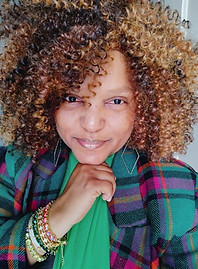
Joede Brown is a Manchester-based community leader whose work focuses on economic justice, housing access, and community empowerment. She serves as Economic Justice Committee Chair for the Manchester NAACP and as Chair of the Manchester Housing Commission, where she works to support policies that expand affordable housing and strengthen opportunities for residents. Through her advocacy and professional work supporting small businesses and nonprofits, she helps advance economic stability and community leadership in New Hampshire.
Pastor Marsha Y. Choate

Marsha Y. Choate is a Nashua community leader whose work has focused on mentorship, youth development, and community service. Originally from Kingston, Jamaica, she has called Nashua home since 1986. Choate has helped create spaces for young adults to connect and grow, including founding initiatives such as MLR, a book club, and the 7EVEN Next Gen podcast. In addition to her leadership within the faith community, she has volunteered with organizations such as the New England Pentecostal Food Bank and the Nashua Soup Kitchen, supported local schools through PTO leadership, and coached youth basketball. Through her work with young people and community organizations, she has helped support the development and well-being of families in the Nashua area.
Bishop Ruth Choate

Bishop Ruth Choate is a Nashua faith and community leader whose work has centered mentorship, music, and leadership development. A native of Nashua and daughter of the founders of New England Pentecostal Ministries, she has helped lead congregations in the region alongside her husband, Bishop Stanley O. Choate. She also co-founded the Greater Awareness Bible School and the Northeastern Christian Fellowship, an initiative that brought churches together for collaboration and support. In addition to her pastoral leadership, Choate is a singer, playwright, composer, and music director whose work has reached audiences throughout the Northeast and Jamaica.
Vengerflutta Smith

Vengerflutta Smith is a Nashua community advocate, educator, and public servant who has worked for decades in higher education administration and teaching. With more than 30 years of experience in college leadership and faculty roles, she has also raised millions of dollars for nonprofit organizations and supported numerous community initiatives. Active in Nashua since 2013 through volunteer work and collaboration with local organizations, Smith was elected to serve as Ward 6 Alderwoman, where she focuses on issues such as housing affordability, fiscal responsibility, and strengthening local businesses and neighborhoods.
Deborah Opramolla
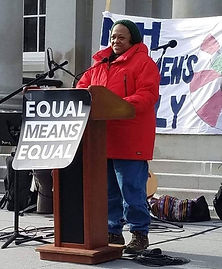
Deborah Opramolla is a disability rights advocate and program manager with the Disability Rights Center of New Hampshire. A former oncologist with a Master of Law from Washington University School of Law, she has spent more than twenty-five years supporting children in foster care as an Educational Surrogate Parent, helping ensure their Individual Education Programs are properly implemented. Appointed in 2017 to the New Hampshire Council on Developmental Disabilities as a parent advocate, Opramolla focuses on advancing equity, inclusion, and justice for the disability community through policy and systems change.
Hon. Charlotte DiLorenzo

Charlotte DiLorenzo is a New Hampshire legislator and housing advocate who serves in the New Hampshire House of Representatives representing Rockingham County communities including Newfields and Newmarket. With a professional background in property management and housing compliance, she previously served as Commissioner of the Newmarket Housing Authority. In the legislature she has focused on issues related to housing equity and affordability, and in 2018 she was recognized by Housing Action New Hampshire as Legislator of the Year for her work advancing policy solutions addressing the state’s housing challenges.
Pastor Renee Rouse
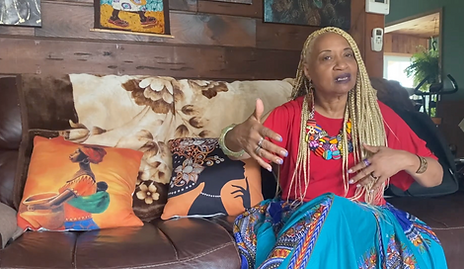
Pastor Renee Rouse is a Haitian American faith leader and community advocate in New Hampshire whose work focuses on healing, mental health, and addressing the impacts of racism within communities. As Senior Pastor of Northwood Congregational Church UCC, she has helped lead conversations that connect spirituality, history, and community care. Rouse has also contributed to initiatives such as the NH Black Women Health Project’s Sowing Seeds of Healing symposium, which brings together practitioners and community members to explore the relationship between racism, trauma, and collective healing.
Stephanie Hawkins Marshall

Stephanie Hawkins Marshall is a New Hampshire community advocate and educator who has worked to foster dialogue and understanding around racism, health, and community wellbeing. She has been involved with the New Hampshire Black Women’s Health Project and co-hosts the Eboni Queens podcast, a platform that explores issues affecting Black communities while encouraging conversation, education, and collective action. Through public discussions and community engagement, Marshall has contributed to efforts that promote equity and strengthen connections across communities.
Devona Warner

Devona Warner is a New Hampshire community organizer and advocate who has been involved in initiatives focused on racial equity, public dialogue, and community health. As a member of the New Hampshire Black Women’s Health Project and co-host of the Eboni Queens podcast, she helps facilitate conversations about racism, justice, and the lived experiences of Black communities. Through organizing events and community discussions, Warner contributes to ongoing efforts to build understanding and advance equity in New Hampshire.
Claire Jones

Claire Jones is a speaker, facilitator, and advocate whose work centers on supporting marginalized women in understanding and healing from intergenerational trauma. Through her platform Sista Creatives Rising, she helps create spaces for women to reflect on personal and collective experiences, develop their voices, and recognize their resilience. Her work focuses on helping women identify the impacts of historical and generational trauma while encouraging healing, creativity, and personal transformation.
Jackie Weatherspoon

Jackie Weatherspoon is a human rights advocate, mediator, and former member of the New Hampshire House of Representatives. Her work has spanned local, national, and international efforts to advance democracy and women’s political participation. She has worked with the U.S. Department of State and international organizations supporting democratic governance and conflict resolution, and is the founder of Decisions in Democracy International, an initiative that trains people interested in running for public office.
Dr. Loretta Brady

Dr. Loretta Brady is a licensed clinical psychologist and professor of psychology at Saint Anselm College whose work focuses on trauma, resilience, and supporting vulnerable communities. She founded the Community Resilience & Social Equity Lab, which brings clinical research into practical strategies for crisis response, conflict management, and organizational change. During the COVID-19 pandemic, Brady organized and facilitated mental health support for first responders and community members across New Hampshire while also advocating for student wellbeing during remote learning.
Nanette Halliburton
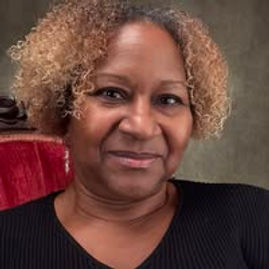
Nanette Halliburton is a community advocate and wellness organizer who founded the Manchester, New Hampshire chapter of Black Girls Do Bike, creating space for Black women to build community through cycling and prioritize their health. Through this work she has encouraged women to stay active, support one another, and improve their overall wellbeing. Halliburton has also used cycling and public events to raise awareness and advocate for health and wellness within the broader community.